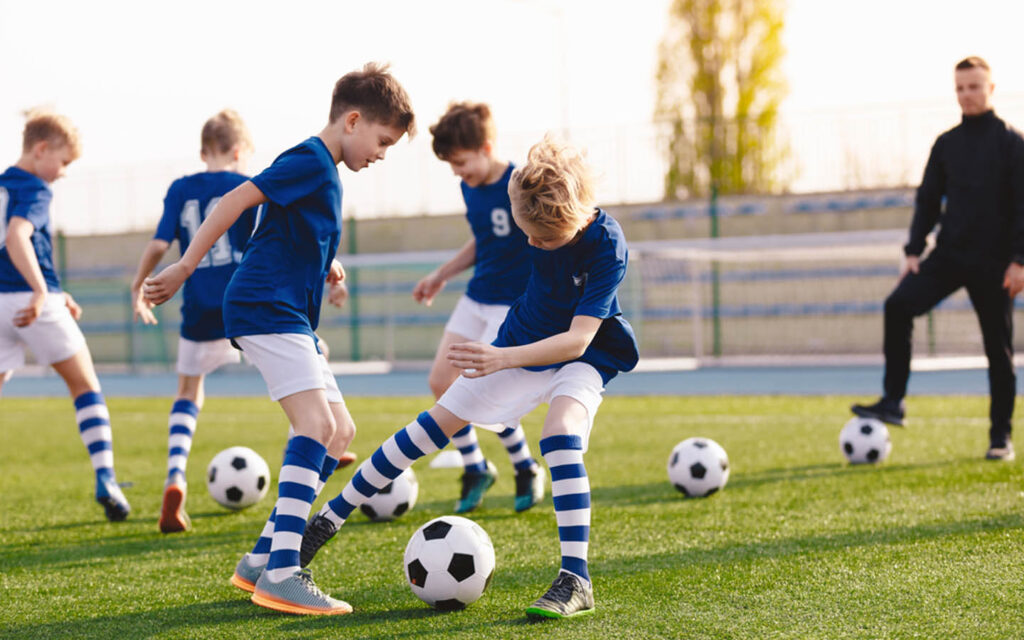
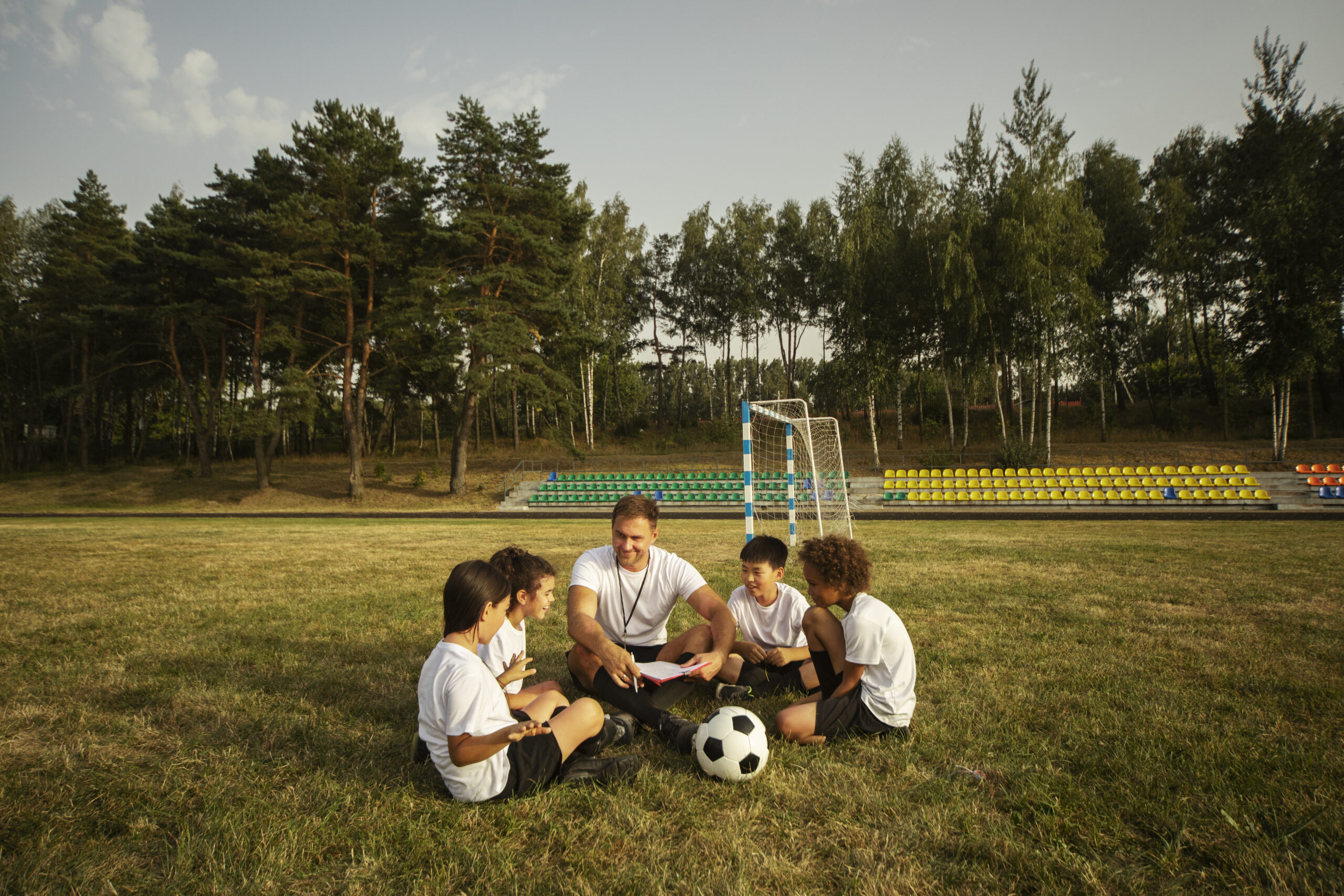
Mental conditioning in football is vital for players to perform at their best consistently, handle pressure, overcome setbacks, and maintain focus throughout matches and seasons.
Vision
“To be recognized as a premier football academy committed to unlocking the full potential of every player, fostering a love for the game, and shaping the future of football through our dedication to excellence, innovation, and inclusivity.”
Mission
“To cultivate a culture of excellence in football development by providing unparalleled training, guidance, and support to aspiring players of all levels. We aim to nurture not only exceptional athletes but also well-rounded individuals equipped with the skills, values, and mindset to succeed both on and off the field.”
Motto
“Elevating Dreams, Igniting Passion, Building Champions.”
Our Featured Programs
01
Technical Skills:
Focus on refining fundamental goalkeeping techniques like shot-stopping, positioning, footwork, and handling. Drills such as lateral quickness exercises, diving saves, and one-on-one scenarios help build confidence in core skills.
02
Tactical Understanding:
Goalkeepers should learn to read the game, anticipate opposition strategies, and position themselves effectively. Reviewing match footage, practicing different game scenarios, and analyzing successful goalkeepers can improve decision-making and field awareness.
03
Physical Conditioning:
A tailored fitness program is crucial to enhance agility, reflexes, and overall endurance. Emphasize strength training (especially core and lower body), speed drills, and endurance exercises to maintain peak performance throughout the game.
04
Mental Resilience:
Build resilience through visualization, stress-management techniques, and confidence-building practices. Frequent exposure to high-pressure scenarios in training, combined with mindfulness exercises, can enhance composure during challenging match situations.
05
Communication Abilities:
Effective communication with the defense is vital. Goalkeepers should practice vocalizing their observations, issuing commands with clarity, and maintaining constructive dialogue with teammates to orchestrate defensive play.
04
Overall Game Performance:
Combine these elements in full-game simulations and focused feedback sessions. Reviewing performance data, setting personal development goals, and regular coach feedback are essential for continuous improvement.
Focus and Concentration:
Football requires players to sustain focus, especially during critical moments like penalty shots or defensive transitions. Training for situational awareness helps them stay alert and make quick decisions.
Resilience and Stress Management:
The ability to manage stress and bounce back from setbacks is crucial. Techniques like visualization, breathing exercises, and mindfulness practices help players remain calm and resilient.
Self-Confidence:
Confidence directly impacts performance. Mental conditioning often involves affirmations and positive self-talk, enabling players to believe in their abilities and maintain a positive mindset.
Goal Setting and Motivation:
Setting clear, attainable goals motivates players to improve consistently. It helps them stay driven during long seasons or challenging matches.
Handling Pressure:
High-pressure situations, like penalties or finals, can be overwhelming. Mental conditioning trains players to view pressure as a challenge rather than a threat, enhancing performance under such conditions.
Join Us
Ready to Lace Up Your Dreams? Join us and unlock your true potential on the pitch.